What Happens When Your Protein Intake Is Too Low?
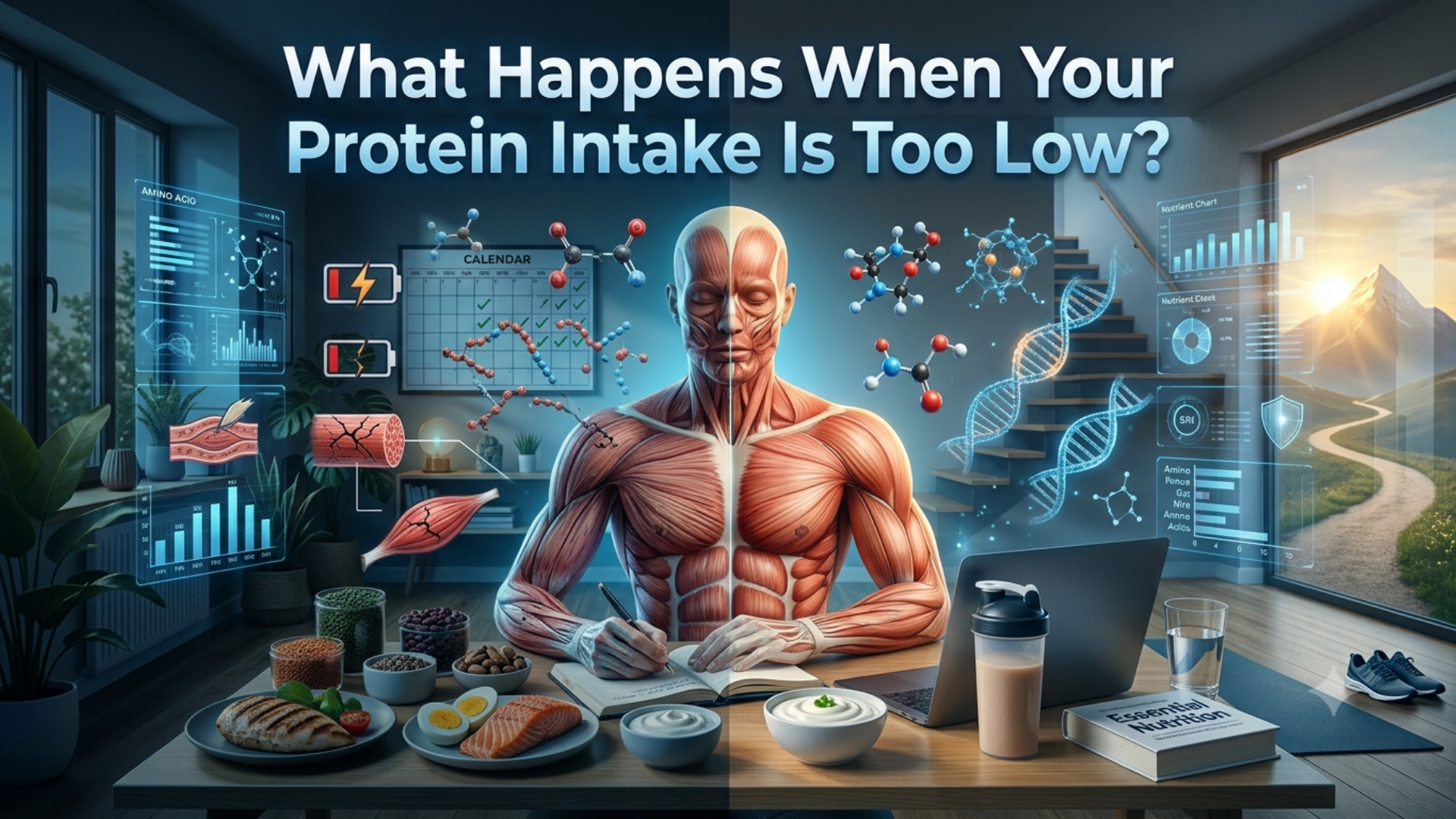
Protein intake is essential for supporting muscle maintenance, tissue repair, energy production, and overall health. Consuming adequate protein from quality sources helps promote strength, recovery, and long-term wellness while supporting an active lifestyle.
Food provides the building blocks that allow the body to grow, repair, and function efficiently every day. While many nutrients contribute to overall wellness, some play a particularly important role in maintaining muscles, supporting immunity, and helping tissues recover after daily wear and tear. When the body does not receive enough of these essential nutrients over time, subtle changes may appear before more noticeable effects begin to develop.One of the most common concerns involves protein intake because it directly supports countless processes that keep the body functioning normally. Although occasional dietary fluctuations are not usually harmful, consistently consuming too little may gradually reduce the body's ability to repair cells, maintain strength, and support healthy metabolic activity. Recognizing these early signs encourages informed dietary choices before larger challenges arise.
Why the Body Depends on Adequate Nutrition
Every organ, muscle, and tissue requires a steady supply of nutrients to perform its daily tasks. Cells constantly break down and rebuild themselves, making regular nourishment essential for normal function. When important nutrients become limited, the body naturally shifts its priorities, directing available resources toward vital organs before supporting less urgent processes. As a result, physical performance, appearance, and overall well-being may slowly begin to change without immediate warning.
Early Signs That May Indicate a Deficiency
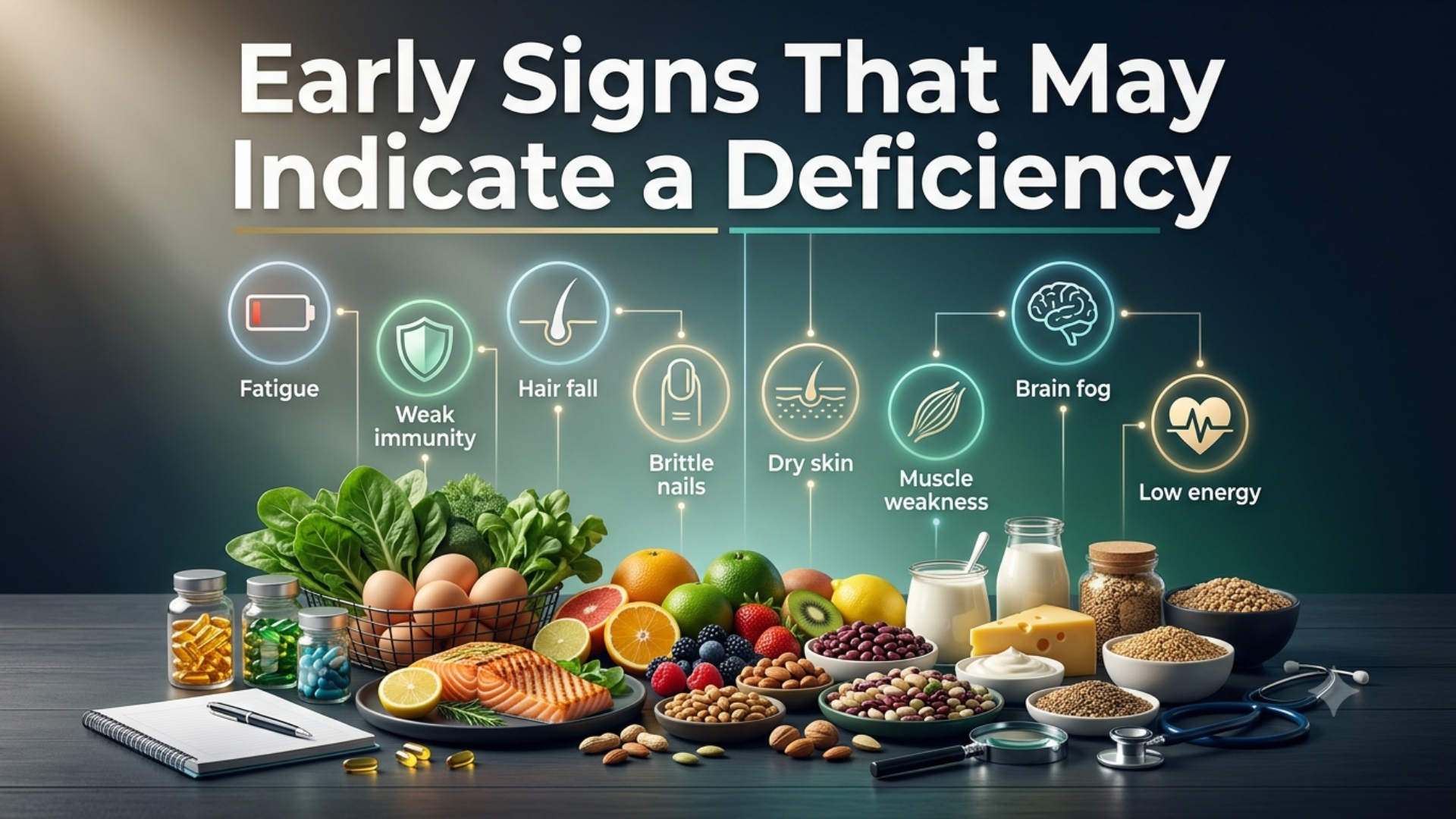
The first noticeable changes often appear gradually rather than all at once. People may begin to feel more fatigued during everyday activities, experience slower recovery after exercise, or notice reduced stamina throughout the day. Minor cuts and small injuries may also take longer to heal because the body's natural repair processes depend on proper nutrition. Including high protein recipes in your daily meal plan can help support these nutritional needs and contribute to overall health and recovery. Muscle tissue may also become more difficult to maintain over time. Since the body continuously renews muscle proteins, insufficient dietary support can eventually lead to decreased strength and reduced physical endurance. Hair may appear thinner, nails may become more brittle, and skin may lose some of its healthy appearance because these structures also depend on consistent nourishment for normal growth.The immune system may also become less effective when the body lacks essential nutrients. Eating a balanced diet, including high protein snacks, supports the production of immune cells that help protect the body from common illnesses. When nutritional reserves remain low for extended periods, maintaining strong immune function becomes more challenging, making it harder to preserve overall health and wellness.
Supporting Long-Term Health Through Balanced Eating
Preventing nutritional shortages is generally easier than correcting them after symptoms appear. Including a variety of wholesome foods throughout the day helps provide the essential nutrients needed for healthy muscles, tissues, hormones, and immune function. Lean meats, seafood, dairy products, eggs, legumes, soy products, nuts, and seeds all contribute valuable nutrition while supporting a balanced eating pattern.Consistency is often more beneficial than occasional dietary extremes. Building meals around diverse food choices allows the body to receive a steady supply of nutrients while supporting sustainable eating habits that fit different lifestyles. Paying attention to overall dietary quality rather than following restrictive trends can help maintain energy, physical performance, and long-term wellness.To Know More - Calorie Tracker Buddy is LIVE on iOS | App Store | Your Fun, Smart Health Companion

Summary
Small nutritional gaps may seem insignificant at first, but they can gradually influence strength, recovery, immunity, and everyday energy. Understanding the importance of protein intake allows individuals to make informed food choices that support healthy body functions over time. A balanced diet combined with consistent eating habits remains one of the simplest ways to encourage lasting health and overall well-being.
FAQs
Q1. What are the earliest signs of low protein consumption?
Early signs may include fatigue, slower recovery after activity, muscle weakness, brittle nails, thinning hair, and delayed wound healing.Q2. Can eating a balanced diet help prevent nutrient deficiencies?
Yes. A varied diet containing lean proteins, dairy, legumes, nuts, seeds, and other nutritious foods helps support normal body functions and overall health.Q3. Is occasional low protein consumption harmful?
Occasional fluctuations are generally not a concern, but consistently consuming too little over a long period may affect muscle maintenance, immunity, and recovery.
